

Wisdom Teeth Care in Bellaria
Take Care of Your Teeth
Wisdom teeth, the last molars that emerge between 18 and 25 years old, can be problematic if poorly positioned.
Extraction is not always necessary, but if they cause symptoms, the “procedure should be evaluated also based on” age.
We are here to guide you through this process.
Wisdom Teeth Treatments
For a Mouth Without Discomfort
Diagnostic
Exams
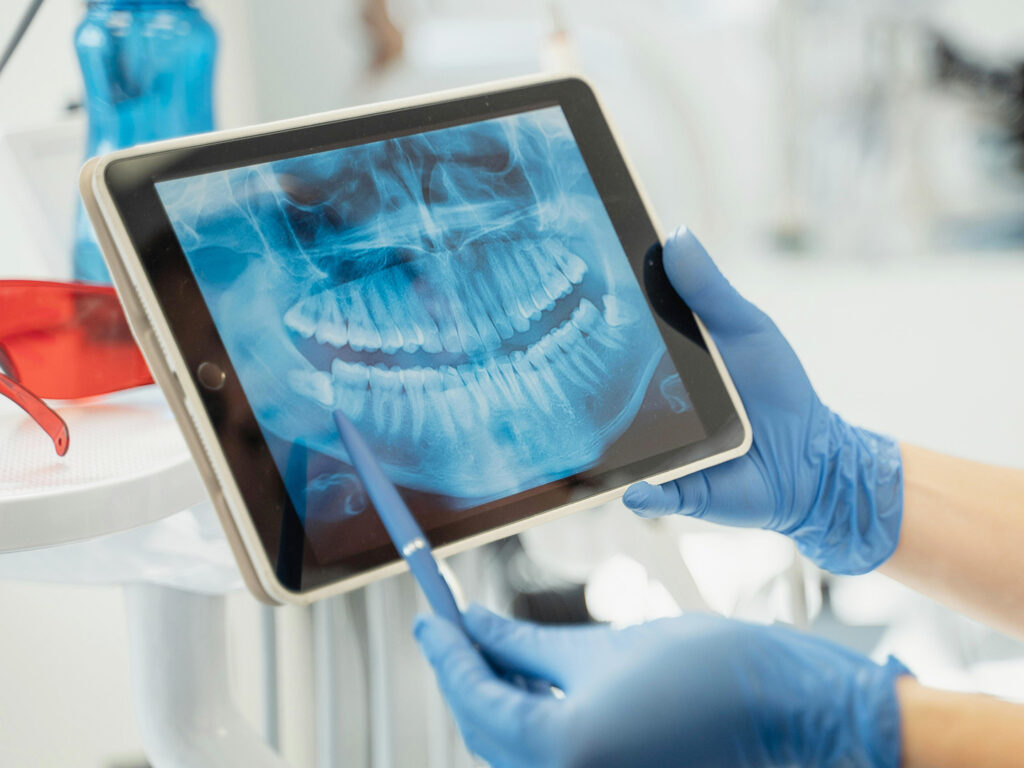
We use advanced diagnostic tools such as orthopantomography (OPG) X-rays and Dental CT Scans for a comprehensive evaluation of the dental situation.
Advanced
Surgery
In case of poor positioning or symptoms, extraction is often the best solution. Incisions are made to expose the tooth, with the possibility of separating it into parts to facilitate removal.
Piezoelectric
Surgery
Thanks to piezoelectric dental surgery, we have been guaranteeing our patients excellent post-operative results for years, with faster recovery times and less discomfort compared to traditional surgery.
Coronectomy
Procedures
If the tooth roots are in contact with the mandibular nerve, this procedure removes only the crown of the tooth, leaving the roots intact to avoid causing nerve damage.
Problems and Complications
Quickly Address Wisdom Teeth Pain
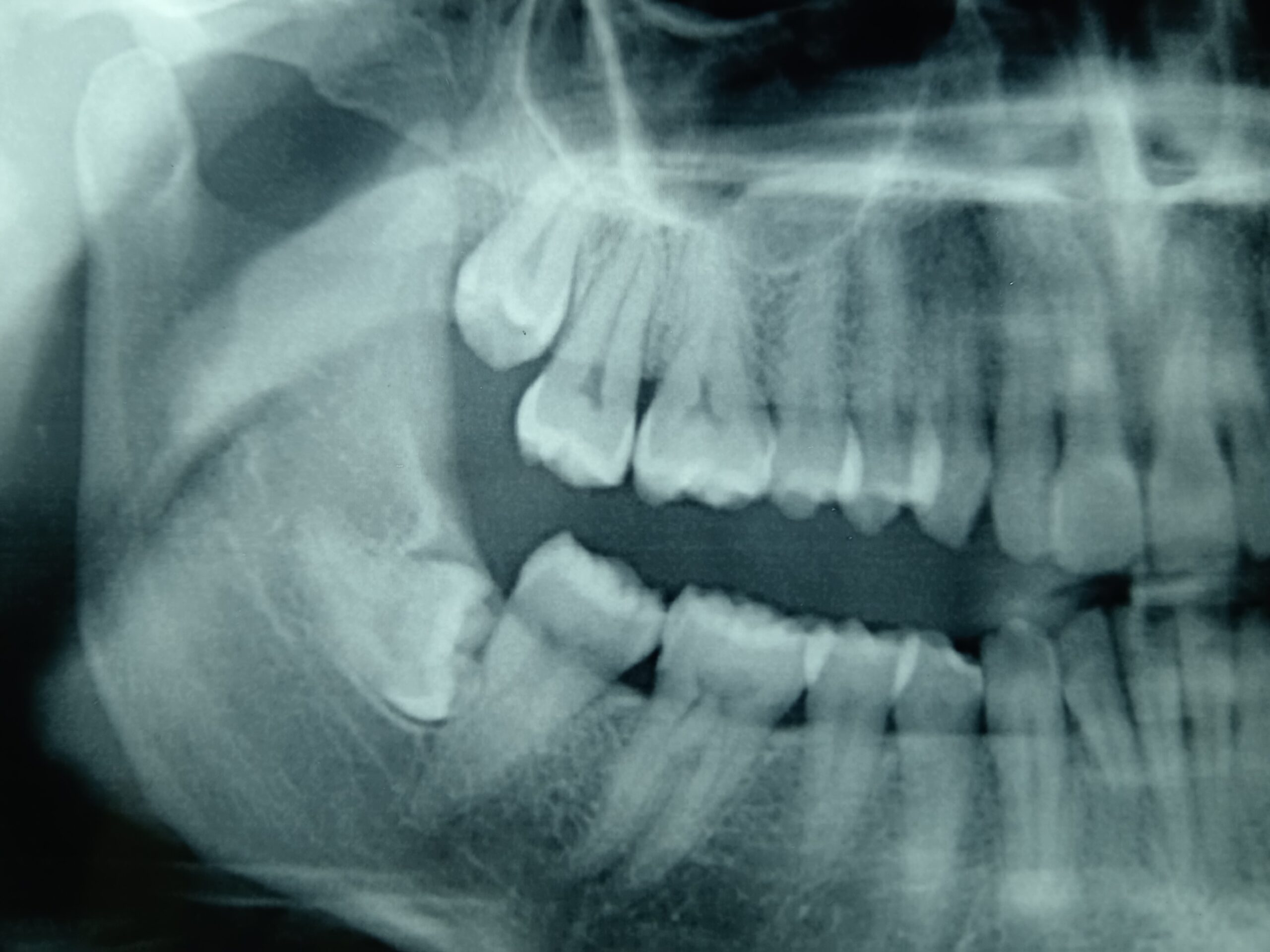
Molars, especially the lower ones, due to their position relative to the second molar, can cause problems such as periodontitis, abscesses, resorption of the second molar roots, and cyst formation.
Often, wisdom teeth are in a semi-erupted position and are partially covered by a gum flap that can periodically become inflamed, making it difficult to close the mouth and chew properly.
Although antibiotics can provide temporary relief, planning the “procedure when the” inflammation is under control is the best way to definitively solve the problem and prevent future complications.
Problems and Complications
Quickly Address Wisdom Teeth Pain
Molars, especially the lower ones, due to their position relative to the second molar, can cause problems such as periodontitis, abscesses, resorption of the second molar roots, and cyst formation.
Often, wisdom teeth are in a semi-erupted position and are partially covered by a gum flap that can periodically become inflamed, making it difficult to close the mouth and chew properly.
Although antibiotics can provide temporary relief, planning the “procedure when the” inflammation is under control is the best way to definitively solve the problem and prevent future complications.
Before and After Treatment
A Smile Free from Pain and Complications
Wisdom teeth treatments alleviate painful and annoying symptoms and prevent future complications such as infections and damage to neighboring teeth.
Thanks to our experience and advanced surgical techniques, you can smile again without worries.
FAQ
We Answer Your Questions
When is it necessary to extract wisdom teeth?
Extraction is recommended when wisdom teeth are poorly positioned and cause problems such as infections, cysts, or damage to neighboring teeth.
What are the symptoms of a problem with wisdom teeth?
Common symptoms include pain when chewing, swelling, frequent infections, and difficulty closing the mouth properly.
What happens if problematic wisdom teeth are not extracted?
If left untreated, wisdom teeth can cause significant damage to neighboring teeth, develop cysts or abscesses, and compromise overall oral health.
What type of anesthesia is used for wisdom teeth extraction?
Wisdom teeth extraction is generally performed under local anesthesia, but in some cases, conscious sedation may be used to ensure greater comfort.
How long does it take to heal after extraction?
Healing time varies depending on the complexity of the procedure, but thanks to piezoelectric dental surgery, our patients experience faster recovery times.
What is the ideal “age for” wisdom teeth extraction?
Wisdom tooth extraction is often recommended between the ages of 18 and 25, when the teeth are still developing and the roots are not fully formed.
After the age of 30-35, it’s particularly important to consider potential complications, such as root ankylosis and potentially greater difficulty in healing.
However, even older patients may require the procedure if wisdom teeth are causing problems.